

(+91) 97260 97222
We are open 9 AM - 6 PM
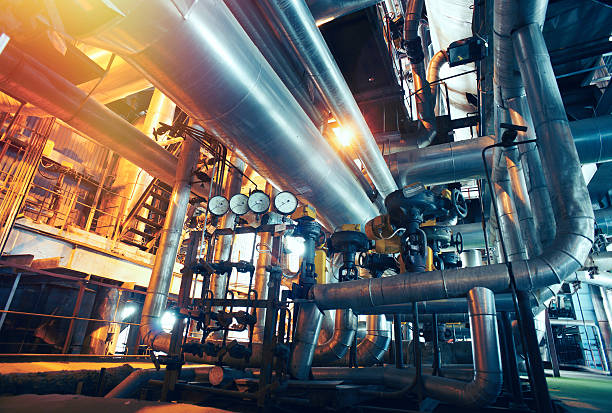
Piping & Structure Work
Piping Work in industrial environments plays a crucial role in transporting various media such as gases, liquids, chemicals, or steam across different plant units. This work includes the fabrication, erection, testing, and commissioning of pipelines designed for safe and efficient flow. The materials commonly used in piping systems are Carbon Steel (CS), Stainless Steel (SS), Galvanized Iron (GI), HDPE, and various types of Alloy Steel, chosen based on the nature of the fluid, temperature range, pressure levels, and corrosion resistance requirements. The process begins with precise pipe cutting, beveling, and proper fit-up of various components including elbows, tees, reducers, and flanges. Qualified welders perform welding operations following approved WPS (Welding Procedure Specifications) to ensure structural integrity and quality. Once the fabrication is complete, valves, instruments, and pipe supports are installed, and the entire system is erected either on overhead racks, structural platforms, or laid in underground trenches as per the engineering design.
Testing and quality assurance are critical phases in piping work. To verify joint quality and system integrity, multiple Non-Destructive Testing (NDT) techniques such as Radiography, Dye Penetrant Testing, and Ultrasonic Testing are employed. Hydrotesting and pneumatic pressure testing are conducted to ensure that the pipelines can withstand operational loads without any leakage. Additionally, visual inspection and dimensional verification are performed to ensure alignment and compliance with drawings. Once all inspections are successfully completed, the pipelines are flushed and dried to remove any debris or moisture, followed by application of protective coatings like primer and paint. These steps ensure corrosion protection and prepare the system for safe commissioning. Detailed QA/QC documentation such as weld logs, inspection records, NDT reports, and MTCs are maintained throughout the process for traceability and client validation.
Structural Work complements piping activities by providing robust and stable frameworks to support piping systems, equipment, and walkways in industrial and infrastructure setups. The work involves the fabrication and erection of structural steel components such as Beams (ISMB), Channels (ISMC), Angles (ISA), Plates, and specialized pipe supports. These components are selected based on engineering load calculations and project specifications. Fabrication activities include cutting, marking, drilling, and welding of steel members, followed by assembly into structural frames. Precision in alignment and leveling is maintained during erection using cranes, chain blocks, and rigging tools. Key installations include platforms, walkways, ladders, and handrails to ensure operator access and plant safety. Surface treatment such as primer coating, painting, or hot-dip galvanizing is applied post-fabrication to protect steel from corrosion and environmental damage. All activities are executed in accordance with relevant IS codes, ASTM standards, and specific client requirements, with quality and safety being of utmost importance.
Safety and Final Commissioning are integral to the execution of both piping and structural works. All construction activities are carried out under strict adherence to Health, Safety, and Environment (HSE) protocols. This includes mandatory use of Personal Protective Equipment (PPE), regular toolbox talks to discuss daily risks, implementation of permit-to-work systems, and barricading of active work zones to prevent accidents. The final stages involve compiling all documentation including weld inspection records, as-built drawings, NDT and hydrotest reports, and material certificates into a comprehensive dossier for client submission. Once all systems are validated and approved, the project is declared ready for commissioning. The result is a fully integrated piping and structural system that is not only functionally efficient but also compliant with safety, quality, and operational standards, making it ready for handover and long-term use in industrial operations.

M/s Shreya Enterprises was founded by Mr. Rajeev Kumar Tiwari during the year 2016. The company has grown by its strength, mainly manpower and its rich experience. We are successful in earning and maintaining good will in all our areas of operation on account of our sincerity in dealings, quality consciousness of our men and our enthusiasm to deliver goods & services in time.
 335, 3rd Floor, Shilpi Square, Opp. Nagori Dairy Bypass Road Bharuch, Dist. Bharuch, Gujarat 392001(India)

